




Introduction
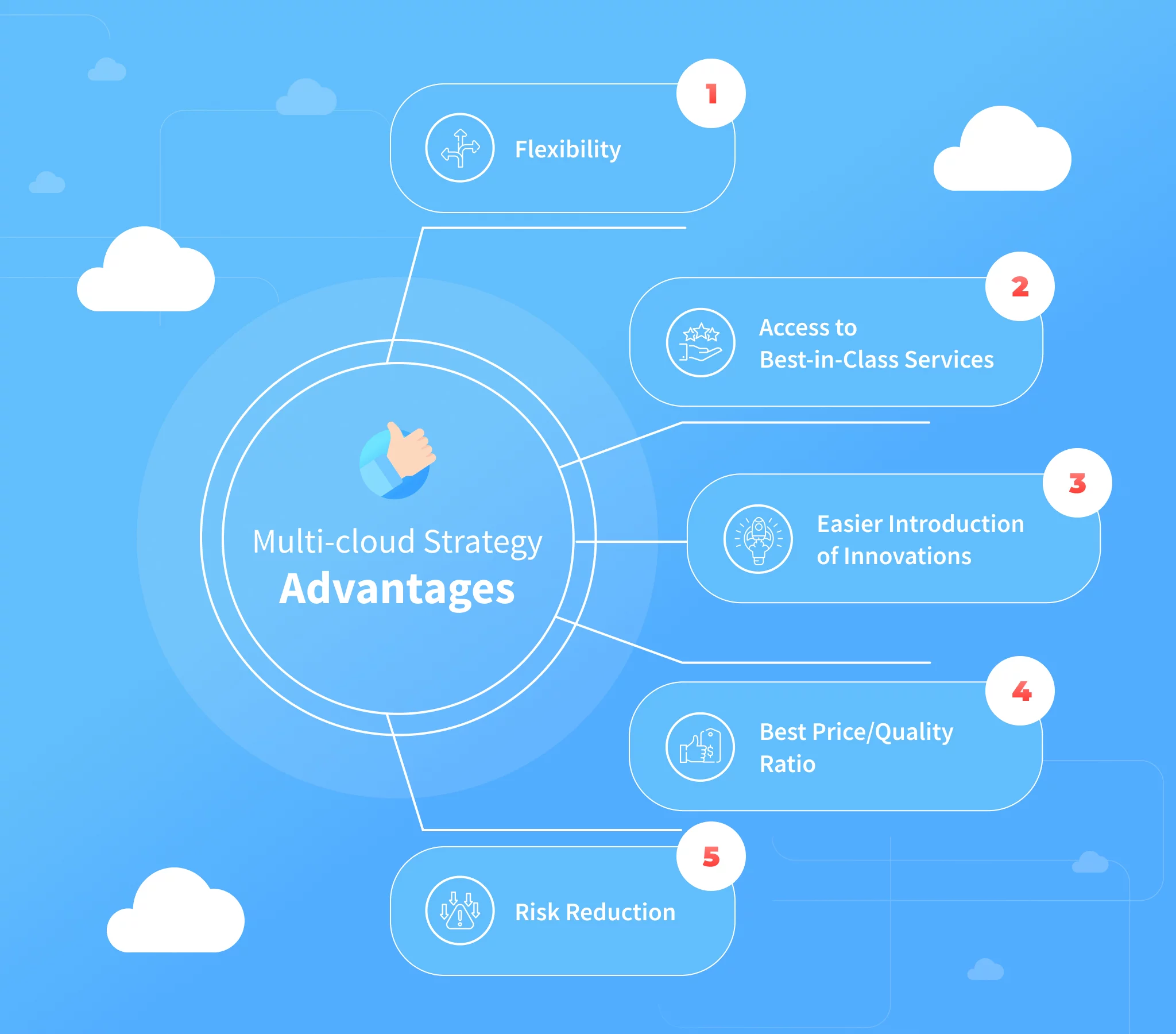
Multi-cloud strategy — using services from multiple cloud providers — has moved from a niche approach to a mainstream enterprise strategy. Many organizations distribute workloads across AWS, Azure, and GCP, choosing the best service from each provider for each use case. Multi-cloud also reduces vendor lock-in and provides negotiating leverage with cloud providers. However, multi-cloud introduces significant operational complexity that must be managed carefully. This article explores the benefits, risks, and best practices for multi-cloud migration.
Why Organizations Choose Multi-Cloud
The business case for multi-cloud is compelling. Different cloud providers excel in different areas — AWS has the broadest service catalog and largest ecosystem, Google Cloud leads in data analytics and AI/ML capabilities, and Azure has the deepest integration with Microsoft enterprise products. By using multiple clouds, organizations can select the best service for each workload. Multi-cloud also prevents complete dependence on a single provider, reducing the risk of price increases, service outages, or policy changes affecting all workloads simultaneously.
The Operational Challenge of Multi-Cloud
The primary challenge of multi-cloud is operational complexity. Each cloud provider has different APIs, IAM models, networking constructs, and service offerings. Operating teams must develop expertise across multiple platforms. Centralized visibility across clouds requires additional tooling. Security policies must be implemented consistently across providers. Organizations that underestimate this complexity find that multi-cloud increases their operational costs rather than reducing them.
Cloud-Agnostic Tools and Abstraction
Minimizing provider-specific tooling is key to managing multi-cloud complexity. Terraform’s multi-cloud provider support enables infrastructure to be managed with a single tool across all clouds. Kubernetes provides a consistent application deployment model regardless of the underlying cloud. OpenTelemetry standardizes observability data collection across environments. Building on these cloud-agnostic foundations reduces the learning curve for each new cloud provider and makes it easier to move workloads between clouds.
Multi-Cloud Networking
Connecting workloads across multiple cloud providers requires careful networking design. Options include cloud-native VPN gateways, private connectivity solutions like AWS Direct Connect and Azure ExpressRoute, and software-defined networking platforms that work across clouds. SD-WAN solutions and network virtualization platforms like Aviatrix simplify multi-cloud networking by providing a consistent management interface across all cloud environments.
Governance and Security in Multi-Cloud
Enforcing consistent security and governance policies across multiple cloud providers is one of the most challenging aspects of multi-cloud strategy. Cloud-agnostic policy-as-code tools like Open Policy Agent enable you to define policies once and enforce them across all environments. Cloud security posture management tools aggregate security findings from multiple clouds into a single dashboard. Unified identity management with federation across all cloud providers simplifies access control.
Conclusion
Multi-cloud strategy delivers real benefits but requires deliberate management of the associated complexity. Organizations that succeed invest in cloud-agnostic tooling, centralized governance, and cross-cloud operational expertise. Our multi-cloud strategy design and implementation services help organizations navigate this complexity. Explore more on our multi-cloud architecture and strategy blog.
