 Skip to content




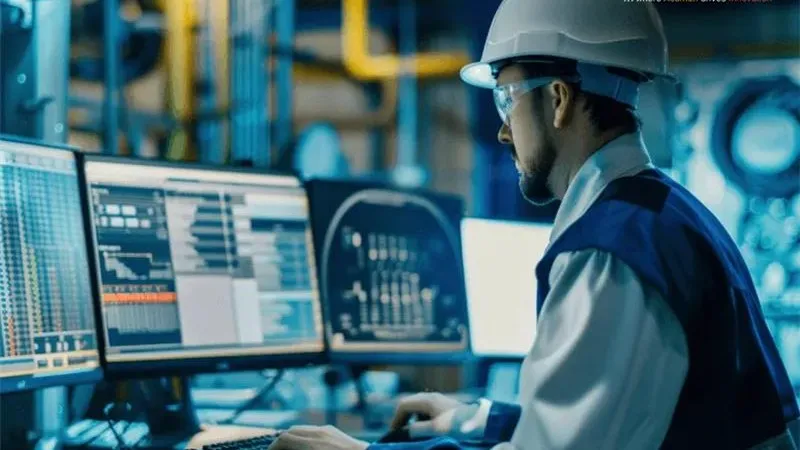
Manufacturing is undergoing its most significant transformation since the assembly line. Industry 4.0, the convergence of IoT sensors, AI analytics, robotics, and cloud computing, is reshaping how factories operate. And at the center of this transformation sits the ERP system, the platform that needs to make sense of it all.
Traditional manufacturing ERP was designed for a world of purchase orders, bills of materials, and production schedules managed on spreadsheets. It handled planning and record-keeping well but operated mostly in batch mode: data came in at the end of shifts, reports were generated overnight, and decisions were made based on yesterday’s information. That model cannot keep pace with smart factories that generate real-time data from thousands of connected devices.
Real-Time Visibility Changes Everything
When every machine on your production floor sends telemetry data continuously, your ERP system can shift from reactive to predictive. Instead of discovering a quality issue after a batch is completed, sensor data can flag anomalies as they develop. Instead of scheduling maintenance on a calendar basis, equipment condition data can trigger maintenance exactly when it is needed, not too early and not too late.
This real-time visibility extends to supply chains as well. Connected logistics systems can update delivery estimates continuously, allowing production planning to adjust dynamically rather than working from static schedules that were outdated the moment they were printed.
The Integration Challenge
The biggest technical challenge in modern manufacturing ERP is integration. Your ERP needs to communicate with PLCs on the factory floor, IoT platforms collecting sensor data, quality management systems, warehouse management systems, and potentially dozens of other specialized tools. Each speaks a different protocol and operates on a different data model.
This is where custom ERP development proves its value. Off-the-shelf systems offer pre-built connectors for common integrations, but smart factories often use specialized equipment and proprietary protocols that require custom integration work. A system designed around your specific manufacturing environment handles these connections natively.
Preparing for the Future
Even if your factory is not fully connected yet, designing your ERP with Industry 4.0 in mind is prudent. Build API-first architectures that can accept data from IoT platforms when they are deployed. Design data models that can accommodate sensor data alongside traditional operational records. The factories that will thrive in the next decade are the ones laying the digital foundation today.
Manufacturing ERP is no longer just about managing orders and inventory. It is about orchestrating an intelligent, connected operation. For more insights on manufacturing technology, explore our blog.
