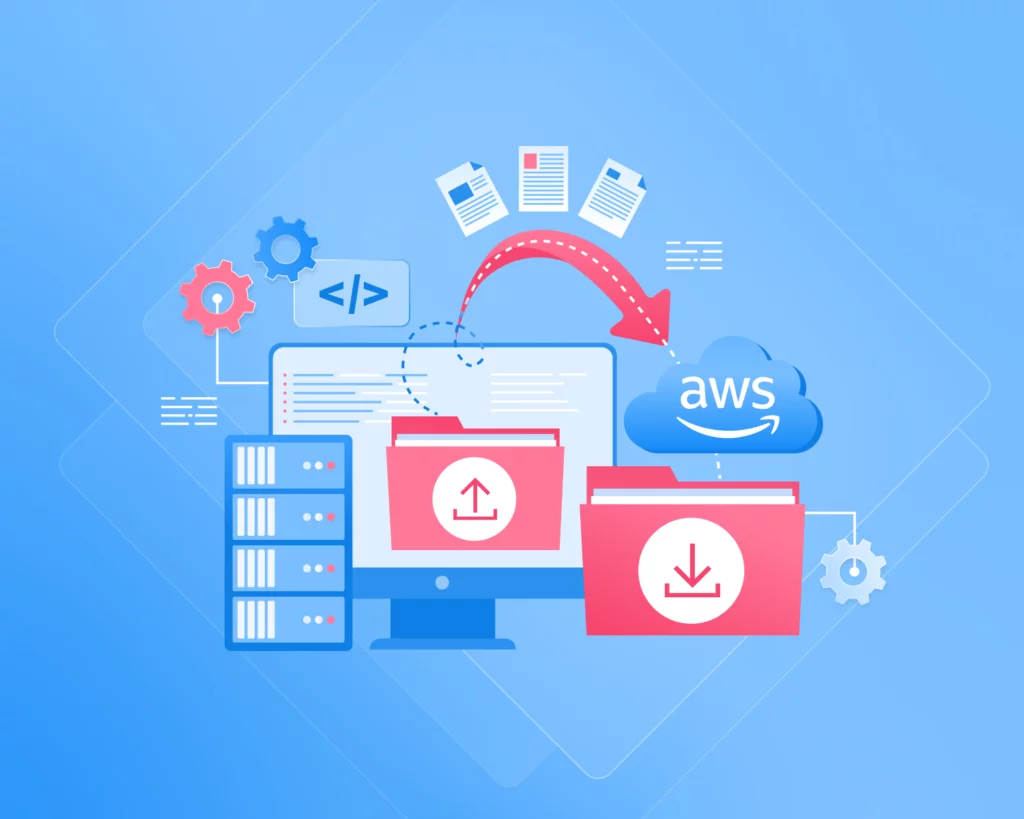

AWS Compliance: Navigating HIPAA, PCI DSS, and GDPR in the Cloud
Introduction Regulatory compliance is a critical concern for organizations in healthcare, finance, e-commerce, and any industry handling personal data. Misunderstanding…
Development Alex Jordan 3 min read

Your development team just finished building the application. Everything works perfectly in the staging environment. The QA team ran through all the test cases and gave the green light. Stakeholders signed off on the final review. Everyone is ready to launch. There is just one thing nobody tested: what happens when real traffic hits the system.
This is the performance testing gap that I see in project after project. The application was tested for correctness, meaning it does what it is supposed to do. But it was never tested for capacity, meaning it can do what it is supposed to do when hundreds or thousands of people are trying to use it simultaneously. The difference between a system that works with ten concurrent users and one that works with ten thousand concurrent users is not just a matter of degree. It is a matter of architecture, and architectural problems discovered on launch day are the most expensive kind.
Load testing simulates the traffic volume you expect during normal operation. It answers the basic question: can our system handle our anticipated user load with acceptable response times? If your marketing team is planning a campaign that will drive five thousand visitors per hour to your website, load testing tells you whether the site will handle that traffic or collapse under it before the campaign goes live.
Stress testing pushes beyond expected load to find the breaking point. Where does the system start degrading? At what load level do response times become unacceptable? At what point does the system fail entirely? Knowing these limits lets you plan capacity and set up monitoring alerts that warn you before you reach dangerous territory.
Endurance testing runs sustained load over extended periods to identify memory leaks, database connection exhaustion, and other issues that only manifest over time. A system that performs well for thirty minutes might degrade significantly after running for twelve hours under continuous load because resources that should be released accumulate gradually.
Performance testing rarely reveals a single bottleneck. More commonly, it reveals a cascade of limitations. The database query that runs fine with one user takes two seconds with a hundred concurrent users because of lock contention. The application server that handles fifty requests per second comfortably cannot handle two hundred because it runs out of memory. The third-party API that responds in two hundred milliseconds usually takes five seconds during the provider’s peak hours, which happen to coincide with yours.
Each bottleneck has different remediation strategies. Database issues often respond to query optimization and indexing. Application server limits respond to horizontal scaling and memory optimization. Third-party dependencies respond to caching and circuit breaker patterns that degrade gracefully instead of failing catastrophically.
Performance testing should not be a one-time activity before launch. Traffic patterns change, features are added, data volumes grow, and the system’s performance profile evolves constantly. Regular performance testing, ideally automated and integrated into your deployment pipeline, catches regressions before they affect users.
A development team that includes performance in their process treats it as seriously as functional correctness because a system that works correctly but cannot handle real-world load is just as useless as one that does not work at all. For more on building resilient web applications, visit our blog.

Keep Reading
Introduction Regulatory compliance is a critical concern for organizations in healthcare, finance, e-commerce, and any industry handling personal data. Misunderstanding…
Introduction Cloud security has never been more important or more complex. As organizations move more critical workloads to AWS, the…
Introduction Serverless architecture represents one of the most significant shifts in how we build and operate cloud applications. With serverless,…
Let’s Talk
Partner with a creative tech team to design, develop, and launch software solutions built to scale your business on time and on budget.
Novaryn LLC, 1331 Merl Place
Longmont, CO 80501