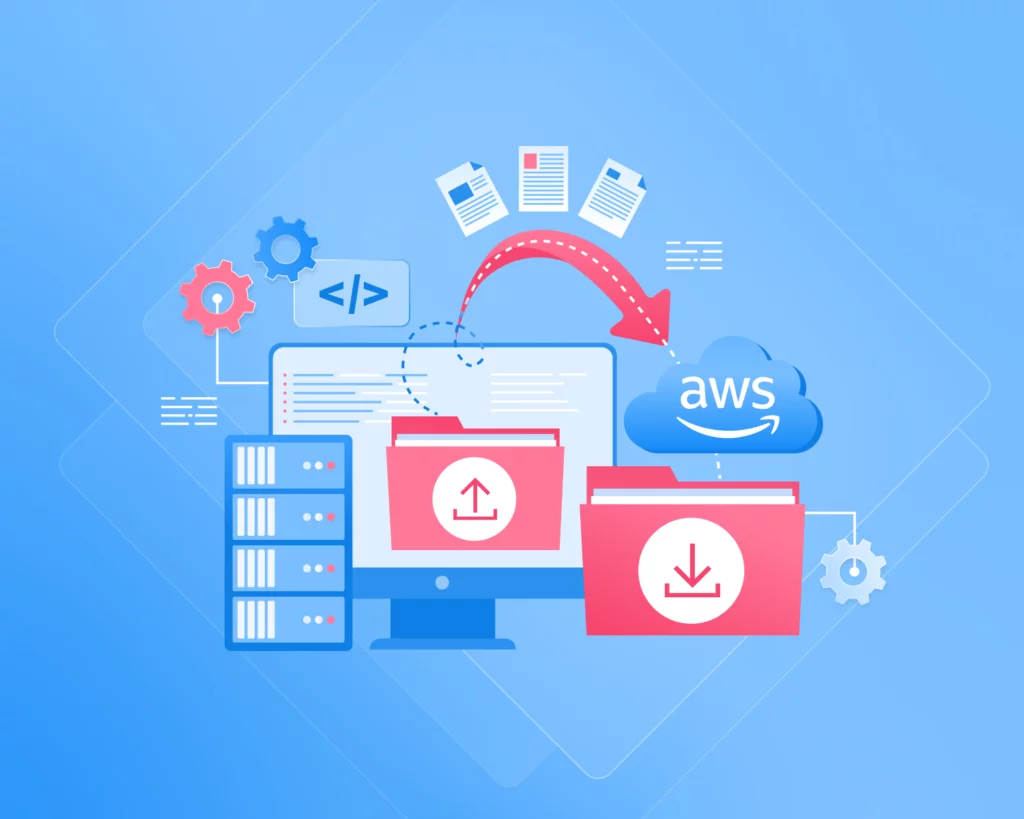
AWS Compliance: Navigating HIPAA, PCI DSS, and GDPR in the Cloud
Introduction Regulatory compliance is a critical concern for organizations in healthcare, finance, e-commerce, and any industry handling personal data. Misunderstanding…
Development Alex Jordan 2 min read

Managing vendor relationships through email is like running a business through post-it notes. Information gets lost, versions get confused, and nobody has a clear picture of where things stand at any given moment. Purchase orders live in email threads. Invoice disputes bounce between inboxes for days. Delivery schedules exist in spreadsheets that are outdated the moment they are shared. The volume of manual coordination required grows linearly with every vendor you add, eventually consuming a disproportionate amount of your procurement team’s time.
A vendor portal replaces this chaos with structured, real-time collaboration. Vendors log in to a dedicated interface where they can view purchase orders, submit invoices, update delivery schedules, and communicate with your team through a documented channel. Every interaction is tracked, every document is versioned, and every status change is visible to both parties without someone having to send an update email.
The cost savings from a vendor portal come from multiple angles. Processing time for purchase orders and invoices drops significantly when the workflow is automated and both parties work from the same system. Errors from manual data entry, a surprisingly large hidden cost in most procurement operations, decrease because vendors enter their own information directly into the system.
Early payment discount capture improves because invoices are visible and approved faster. Dispute resolution accelerates because the entire history of a transaction is available in one place rather than scattered across email threads and phone call notes. And procurement staff can manage more vendor relationships effectively because the portal handles the routine coordination that used to consume most of their day.
The portal needs to be simple enough that vendors adopt it without extensive training. If onboarding a new vendor to the portal takes a full day of tutorials, adoption will be a constant battle. The best vendor portals are intuitive enough that a vendor receiving a portal invitation can create their account, review their first purchase order, and submit their first invoice within thirty minutes.
Work with a development team that understands procurement workflows to build a portal that fits your specific supply chain processes rather than forcing your processes into a generic template. The portal should feel like a natural extension of how you already work with vendors, just faster, clearer, and with better visibility for everyone involved. For more on streamlining business operations through technology, visit our blog.

Keep Reading
Introduction Regulatory compliance is a critical concern for organizations in healthcare, finance, e-commerce, and any industry handling personal data. Misunderstanding…
Introduction Cloud security has never been more important or more complex. As organizations move more critical workloads to AWS, the…
Introduction Serverless architecture represents one of the most significant shifts in how we build and operate cloud applications. With serverless,…
Let’s Talk
Partner with a creative tech team to design, develop, and launch software solutions built to scale your business on time and on budget.
Novaryn LLC, 1331 Merl Place
Longmont, CO 80501