




Swift vs Objective-C in 2026: Is There Still a Reason to Use Objective-C?

Swift has been Apple’s preferred language for iOS development since its introduction in 2014, and by 2026, the question is not whether to use Swift for new projects but whether there is ever a reason to write new Objective-C code. The short answer is no, not for new projects. The longer answer involves understanding that […]
Designing for Accessibility in Mobile Apps: Patterns That Help Everyone

I covered accessibility from a broader product design perspective earlier, but mobile app design deserves its own focused discussion because the constraints and opportunities are unique. Mobile screens are smaller, interactions are touch-based rather than mouse-based, and users interact in environments that desktop applications never encounter: bright sunlight, noisy commutes, one-handed while walking, quick glances […]
Color Psychology in Mobile App Design: Using Color Strategically, Not Decoratively
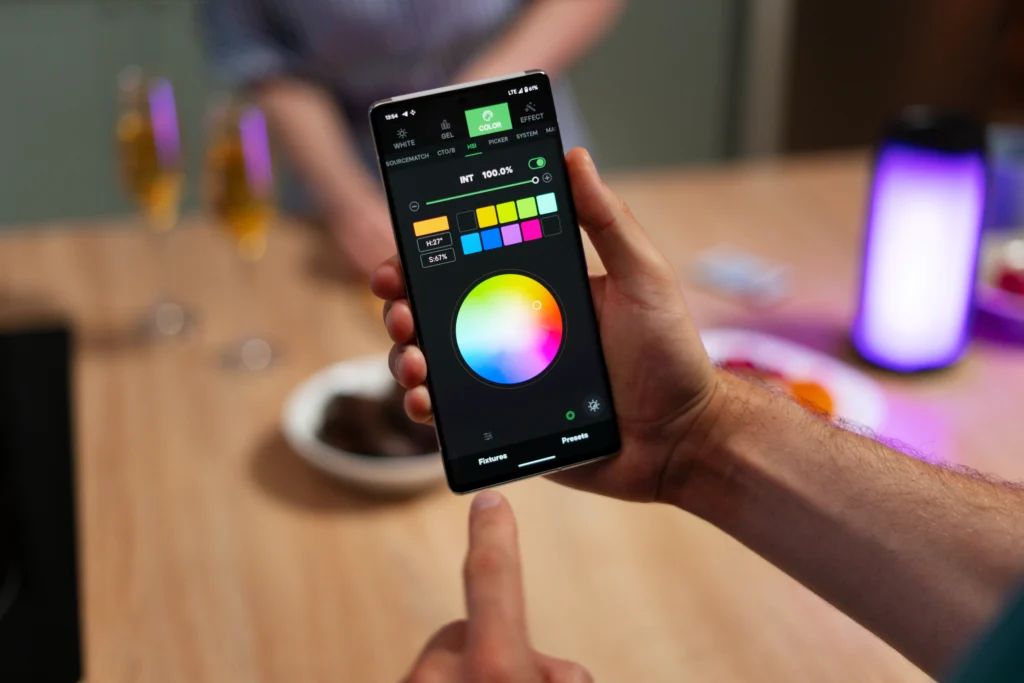
Color is the most powerful and most misused tool in mobile app design. It communicates faster than text, creates emotional associations stronger than images, and guides user attention more effectively than any layout trick. Yet most app color palettes are chosen based on brand guidelines and personal preference rather than on functional analysis of what […]
Designing for One-Handed Use: Why Thumb-Friendly Mobile Design Matters More Than Ever

Watch people use their phones in public and you will notice something that most app designers overlook: the majority of phone interactions happen one-handed. Holding a coffee, steadying themselves on public transport, carrying a bag, holding a child’s hand. People use their phones with one thumb far more often than they cradle the device with […]
Designing Mobile App Onboarding That Converts First-Time Users Into Regular Users

You have approximately ninety seconds to convince a first-time user that your app deserves a permanent spot on their phone. That is not a metaphor or an exaggeration. Session data across thousands of apps consistently shows that users who do not experience meaningful value within the first minute or two of their first session are […]
Mobile App UI Design Trends in 2026 That Actually Improve User Experience
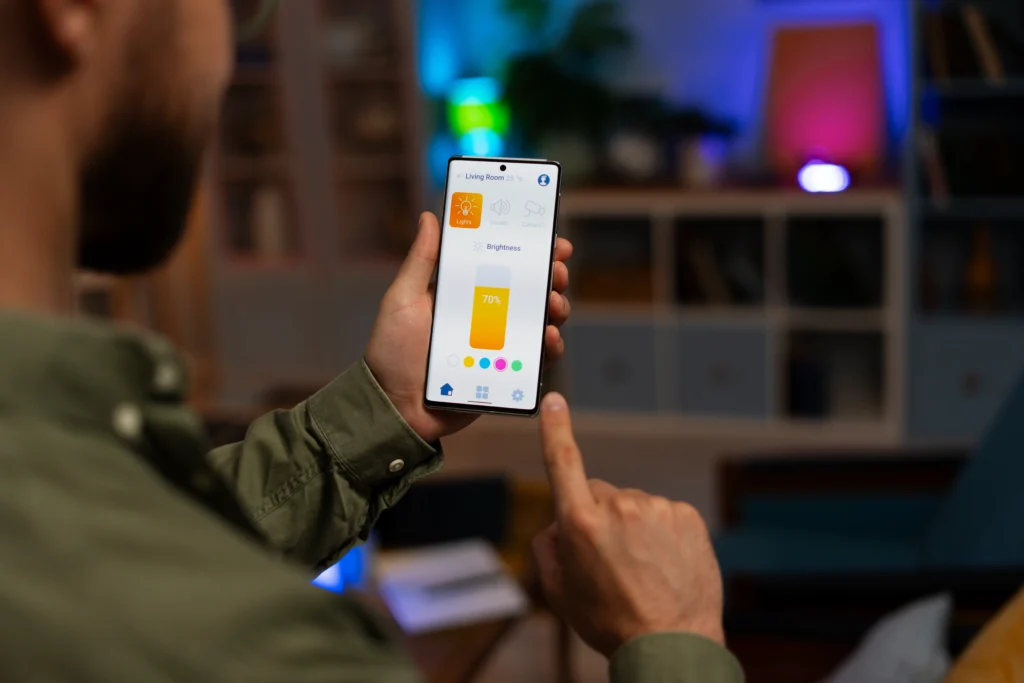
Every year brings a new batch of mobile design trends, and every year teams adopt them without asking whether they actually make the app better for users. Glassmorphism looked stunning in Dribbble posts but created readability problems on real phone screens in direct sunlight. Ultra-thin fonts looked elegant in mockups but frustrated users trying to […]
Technical Due Diligence for Mobile Apps: What to Evaluate Before Acquiring or Investing

Financial due diligence tells you what an app earns. Technical due diligence tells you whether it will keep earning it. I have been brought in to evaluate mobile apps before acquisitions and investment rounds, and the gap between what the business metrics suggest and what the codebase reveals is sometimes alarming. An app with impressive […]
Mobile App Monetization Strategies: Choosing the Right Revenue Model Before You Build
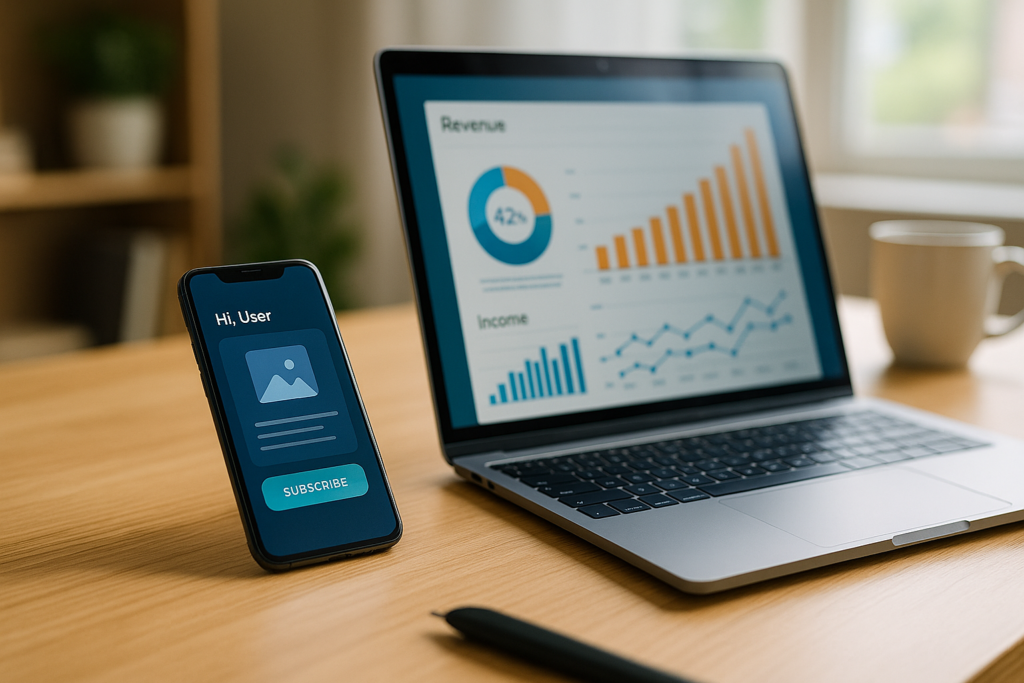
Too many app projects treat monetization as something to figure out after launch. Build the app, get users, and the money will follow. This approach occasionally works for consumer apps that achieve viral growth, but for the vast majority of business apps, choosing your revenue model before development begins is essential because the monetization strategy […]
Choosing a Mobile App Development Partner: Red Flags and Green Flags From Real Experience

Your choice of development partner will have more impact on your app’s success than any feature decision, design direction, or marketing strategy. A great partner turns a good idea into a successful product. A poor partner turns it into a cautionary tale about scope creep, missed deadlines, and delivered software that does not match what […]
Mobile App Discovery Phase: Why Skipping It Is the Most Expensive Mistake You Can Make

I can predict with reasonable accuracy which app projects will succeed and which will struggle based on a single observation: did they invest properly in discovery or did they jump straight to design and development? The projects that skip discovery save four to six weeks upfront and then spend months building features users do not […]