




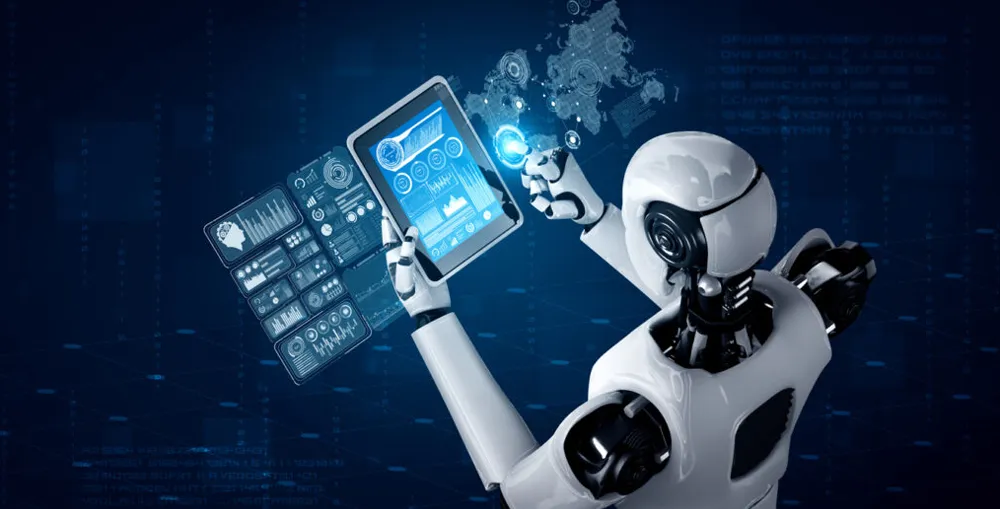
ERP systems have always been about centralizing data and standardizing processes. They are the backbone of operational efficiency for thousands of companies worldwide. But until recently, they were essentially sophisticated databases with workflow engines. You put data in, you got reports out, and everything in between required human judgment and manual intervention.
That is changing fast. AI integration is turning ERP systems from passive record-keepers into active participants in business operations. Systems that predict demand before orders come in, that spot anomalies in financial data before auditors do, and that optimize supply chains in real time based on factors no human could track simultaneously.
Practical AI Applications in ERP
Demand forecasting is where most companies start. Traditional ERP forecasting uses historical sales data and basic statistical models. AI-enhanced forecasting incorporates weather patterns, social media sentiment, competitor pricing, economic indicators, and dozens of other signals to produce predictions that are dramatically more accurate.
Intelligent process automation is the second wave. Invoice processing, purchase order matching, expense categorization, and dozens of other routine tasks can be handled by AI with minimal human oversight. This does not eliminate jobs; it redirects human attention from data entry to analysis and decision-making.
Getting AI Into Your ERP
If you are running a legacy ERP system, bolting on AI capabilities can be challenging but not impossible. API layers can connect your existing system to AI services, feeding operational data into machine learning models and routing predictions back into your workflows.
For companies building new ERP systems, the opportunity is to design AI capabilities into the architecture from the start. Modern ERP development incorporates machine learning pipelines, data lakes for training models, and feedback loops that let the AI improve over time based on actual business outcomes.
The Human Element
AI in ERP works best as an augmentation tool, not a replacement for human judgment. The best implementations use AI to surface insights and recommendations while leaving final decisions to people who understand the business context. A system that predicts a supply shortage is useful. A system that automatically reorders without considering that you are about to change suppliers is dangerous.
The future of ERP is intelligent, adaptive, and collaborative. Getting there requires both technical capability and business wisdom. Learn more about modernizing your business systems on our blog.
