




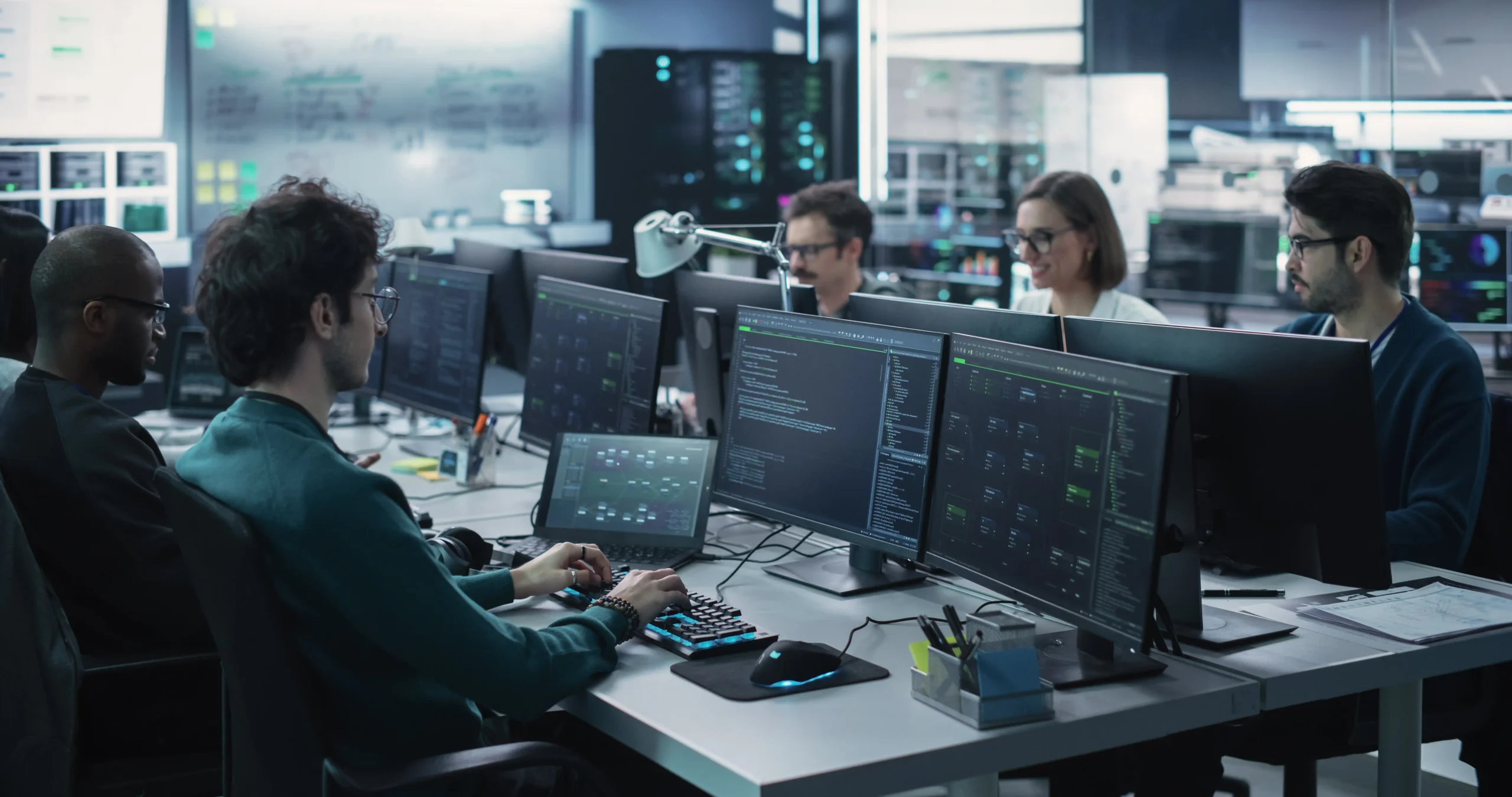
The worst way to learn about a production issue is from a customer complaint. The second worst is from social media. Ideally, your monitoring systems should detect problems before they impact users, alert the right people, and provide enough context to diagnose and fix the issue quickly. That is the promise of observability, and in 2026, the tools to deliver on that promise are more accessible than ever.
Monitoring tells you whether something is working. Observability tells you why it is not. The distinction matters because modern applications are complex systems where a single user action might traverse dozens of services, databases, and third-party APIs. When something goes wrong, you need to trace the problem through that entire chain, and traditional monitoring dashboards are not sufficient for that task.
The Three Pillars
Effective observability rests on three types of data. Metrics provide numerical measurements over time: response times, error rates, CPU usage, memory consumption. They tell you what is happening at a high level. Logs provide detailed records of individual events: what happened, when, and in what context. They tell you the story of a specific transaction. Traces follow a single request across multiple services, showing how time is spent at each step. Together, these three data types give you a complete picture of system behavior.
Alerting That Does Not Cry Wolf
Alert fatigue is a real problem. Teams bombarded with noisy, low-priority alerts learn to ignore them, which means they also ignore the critical ones. Good alerting focuses on symptoms rather than causes. Instead of alerting on high CPU usage, which might or might not affect users, alert on elevated error rates or increased response times, which directly impact experience.
Intelligent alerting also considers context. A spike in response time during a scheduled batch processing window is expected and should not trigger an alert. The same spike during peak user hours is a problem that needs attention.
Building Observability Into Your Practice
Observability should be a standard component of your software maintenance and support practice. Instrumenting applications for monitoring during development is far cheaper than retrofitting it later. And the insights from good observability improve not just operational reliability but also development decision-making by revealing how the system actually behaves in production.
You cannot fix what you cannot see. Invest in observability, and you gain the visibility to keep your systems healthy and your users happy. For more on operational excellence, check our blog.
